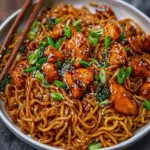
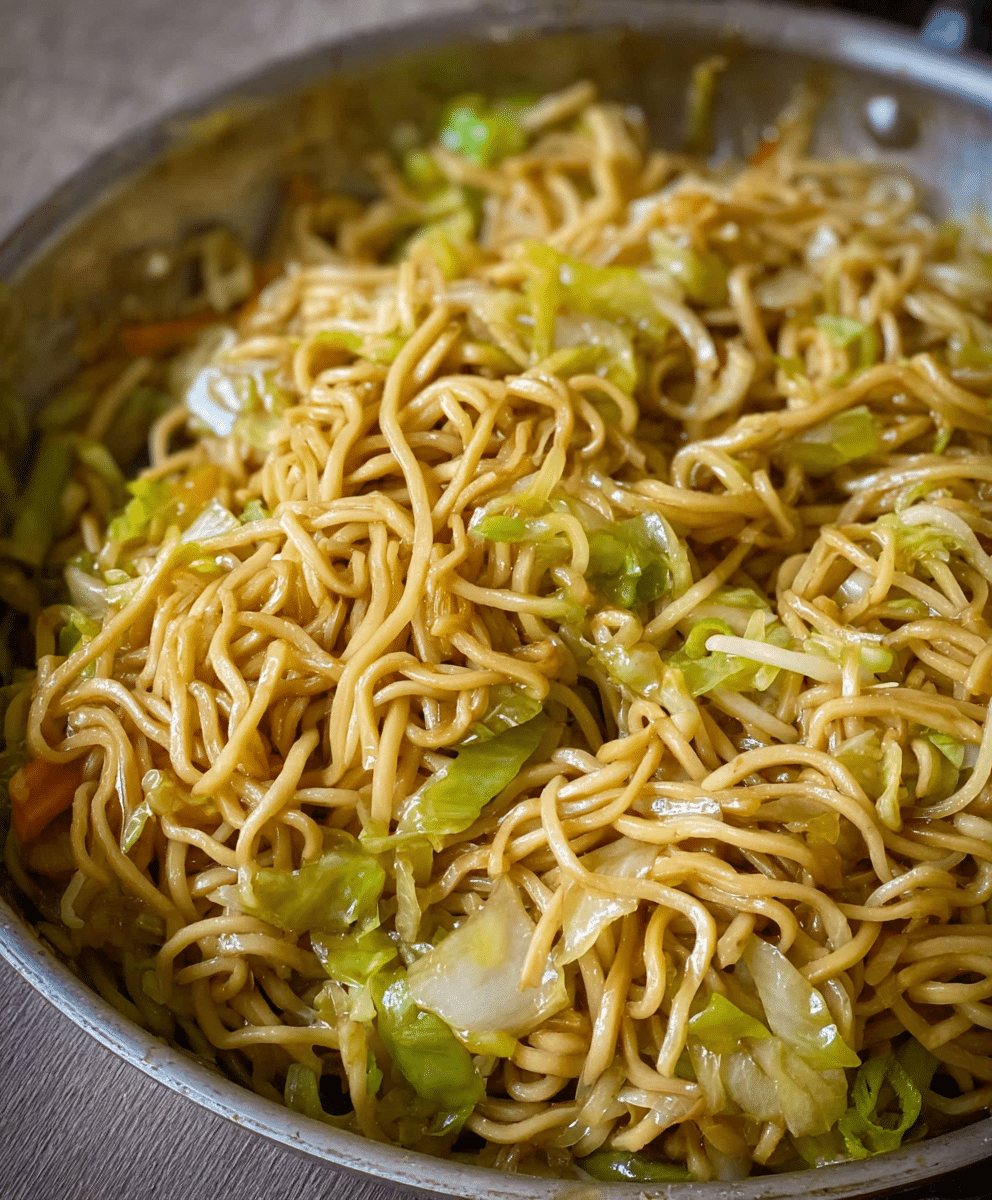
If you’ve ever loved the satisfying, saucy noodles at Panda Express but wished you could whip them up in your own kitchen, this Chow Mein Copycat recipe is exactly what you need. In just 20 minutes, you can enjoy a plate of tender, slightly sweet, savory noodles loaded with crisp vegetables—without the drive-through line.
This version tastes just like the takeout classic, but the fresh ingredients and homemade sauce make it taste a million times better. Perfect for a weeknight dinner, meal prep, or a quick lunch, this chow mein is flavorful, comforting, and ridiculously easy.
Why You’ll Love This Recipe
- Fast and Easy – Ready in just 20 minutes with minimal prep.
- Authentic Flavor – Tastes like Panda Express, but fresher and customizable.
- Vegetable-Packed – Includes onion, celery, and cabbage for a fresh crunch.
- Perfect for Beginners – Simple techniques, no complex sauces or marinades.
- Flexible Ingredients – Swap noodles or vegetables based on what you have on hand.
- Meal-Prep Friendly – Makes 4 generous servings that store well in the fridge.
Ingredients Breakdown
This recipe serves 4 people.
For the Chow Mein
- 2 (5.6-ounce) packages refrigerated Yaki-Soba noodles (discard seasoning packets)
- ¼ cup reduced sodium soy sauce
- 3 cloves garlic, minced
- 1 tablespoon packed brown sugar
- 2 teaspoons freshly grated ginger
- ¼ teaspoon white pepper
- 2 tablespoons olive oil
- 1 onion, diced
- 3 ribs celery, sliced diagonally
- 2 cups shredded cabbage
Notes: Yaki-Soba is a ramen-style noodle found in the refrigerated aisle of most grocery stores. You can substitute other fresh Asian-style noodles if unavailable.
Tools & Equipment Needed
- Large pot for boiling noodles
- Large cast-iron skillet or wok
- Mixing bowl for sauce
- Whisk
- Chef’s knife and cutting board
- Tongs or spatula
Step-by-Step Instructions
1. Prepare the Noodles
- Bring a large pot of water to a boil.
- Add the Yaki-Soba noodles and loosen them in the water for 1–2 minutes.
- Drain the noodles thoroughly.
Tip: Do not overcook; you want the noodles tender but still firm to prevent them from becoming mushy in the skillet.
2. Make the Sauce
- In a small bowl, whisk together:
- ¼ cup soy sauce
- 3 cloves minced garlic
- 1 tablespoon brown sugar
- 2 teaspoons freshly grated ginger
- ¼ teaspoon white pepper
- Set aside for later.
Pro Tip: Fresh ginger adds a bright, authentic flavor that takes this dish from good to restaurant-quality.
3. Sauté the Vegetables
- Heat 2 tablespoons olive oil in a large cast-iron skillet or wok over medium-high heat.
- Add diced onion and sliced celery. Cook, stirring often, for 3–4 minutes, until tender but still crisp.
- Stir in shredded cabbage and cook for about 1 minute, until slightly softened but still vibrant.
Tip: Don’t overcook the cabbage; keeping it slightly crunchy gives the dish texture and freshness.
4. Combine Noodles and Sauce
- Add the drained Yaki-Soba noodles to the skillet with the vegetables.
- Pour in the soy sauce mixture.
- Toss everything together with tongs or a spatula until the noodles are evenly coated and heated through, about 2 minutes.
5. Serve Immediately
- Divide chow mein among plates or bowls.
- Serve hot, garnished with optional green onions or sesame seeds if desired.
Tip: This dish tastes best immediately, but leftovers can be stored for later (see storage tips below).
Tips & Variations
- Add Protein: Toss in chicken, beef, shrimp, or tofu for a heartier meal. Cook protein separately and add in step 4.
- Extra Vegetables: Add bell peppers, snow peas, mushrooms, or carrots for more color and crunch.
- Gluten-Free Option: Use tamari or coconut aminos in place of soy sauce.
- Sweet & Spicy Version: Add ½ teaspoon chili flakes or a drizzle of sriracha for heat.
- Make-Ahead: Prepare sauce ahead of time for even faster assembly.
Flavor Profile & Pairings
This chow mein is savory, slightly sweet, and aromatic, with tender noodles coated in a garlicky soy sauce and crisp, fresh vegetables. The white pepper adds subtle warmth without overpowering the dish.
Suggested Side Dishes
- Steamed or stir-fried vegetables
- Egg rolls or spring rolls
- Asian-style pickled vegetables
- Hot and sour soup or miso soup
Nutritional Overview
Per serving (1/4 recipe, approx.):
- Calories: 320
- Protein: 6g
- Carbohydrates: 55g
- Fat: 10g
- Fiber: 4g
Dietary Notes: Vegetarian as written; can be made vegan by using plant-based noodles and oil. Gluten-free modifications possible with tamari and gluten-free noodles.
Make-Ahead & Meal Prep Tips
- Vegetables: Slice and store vegetables in an airtight container in the fridge for up to 2 days.
- Noodles: Cook and drain noodles ahead; store separately to prevent sogginess.
- Assembly: Combine noodles, vegetables, and sauce right before serving to maintain freshness.
FAQs
1. Can I use dried noodles instead of Yaki-Soba?
Yes, but cook according to package instructions and rinse under cold water to prevent sticking.
2. Can this be made spicy?
Yes, add chili garlic sauce, sriracha, or red pepper flakes to taste.
3. Can I store leftovers?
Store in an airtight container in the fridge up to 2 days. Reheat gently in a skillet with a splash of water or oil.
4. Can I freeze chow mein?
It is not recommended to freeze cooked chow mein, as the noodles may become mushy upon thawing.
5. Can I add meat?
Yes! Sauté chicken, beef, or shrimp separately and fold into the noodles in step 4.
Cooking Timeline (at a Glance)
| Step | Time |
|---|---|
| Boil noodles | 1–2 minutes |
| Make sauce | 2–3 minutes |
| Sauté vegetables | 4–5 minutes |
| Combine noodles & sauce | 2 minutes |
| Total Prep & Cook | 20 minutes |
Serving Suggestions
- Serve immediately in shallow bowls for classic presentation.
- Garnish with green onions, sesame seeds, or a drizzle of sesame oil for extra flavor.
- Pair with sides like spring rolls or a light salad for a complete meal.
Recipe Variations
- Chicken Chow Mein – Add sliced chicken breast or thighs; cook first in skillet.
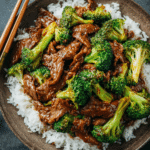
- Beef & Broccoli Chow Mein – Sauté broccoli florets and thinly sliced beef with sauce.
- Spicy Sriracha Chow Mein – Add 1–2 teaspoons sriracha to sauce for heat.
- Vegetable Medley Chow Mein – Include bell peppers, carrots, and snow peas for more texture and color.
Ingredient Spotlight
Yaki-Soba Noodles
- Selection: Look for refrigerated packages in the grocery store; they are slightly thicker and more flavorful than standard ramen noodles.
- Storage: Keep refrigerated until ready to cook.
Fresh Ginger
- Selection: Firm, smooth skin, without mold or shriveling.
- Storage: Store in the fridge for up to 3 weeks or freeze peeled portions for longer use.
- Tip: Grate fresh ginger instead of using powdered; it adds brightness and a more authentic flavor.
Pro Cooking Tips
- High Heat Sauté: Ensures vegetables stay crisp and noodles get slight caramelization.
- Avoid Overcrowding: Cook vegetables and protein in batches for even cooking.
- Toss Quickly: When combining noodles and sauce, toss quickly to coat evenly and prevent sogginess.
- Taste Adjustments: Add extra soy sauce, sugar, or pepper to suit personal flavor preference.
Storage & Freezing Guide
- Vegetables & Noodles: Store separately in airtight containers in the fridge for up to 2 days.
- Sauce: Can be stored in the fridge up to 5 days.
- Freezing: Not recommended for cooked chow mein; noodles may lose texture.
Nutrition Estimate Table (Per Serving)
| Nutrient | Amount |
|---|---|
| Calories | 320 |
| Protein | 6g |
| Carbohydrates | 55g |
| Fat | 10g |
| Fiber | 4g |
| Sugar | 5g |
| Sodium | 850mg |
Dietary Notes: Vegetarian as written; optional meat or tofu additions increase protein content.
Expanded Conclusion
This Panda Express Chow Mein Copycat brings all the flavor, texture, and satisfaction of restaurant takeout right to your kitchen, in a fraction of the time. With tender, slightly sweet noodles, crisp vegetables, and an aromatic garlic-ginger sauce, this dish hits all the notes that make chow mein a comfort food classic.
Perfect for weeknight dinners, quick lunches, or even meal prep, it’s versatile, easy, and delicious. Add proteins or extra vegetables for variety, adjust the seasoning to taste, and enjoy restaurant-quality chow mein without leaving your home.
Every bite delivers the balanced mix of sweet, savory, and umami flavors that make Panda Express a favorite—only fresher, customizable, and way more satisfying.
Print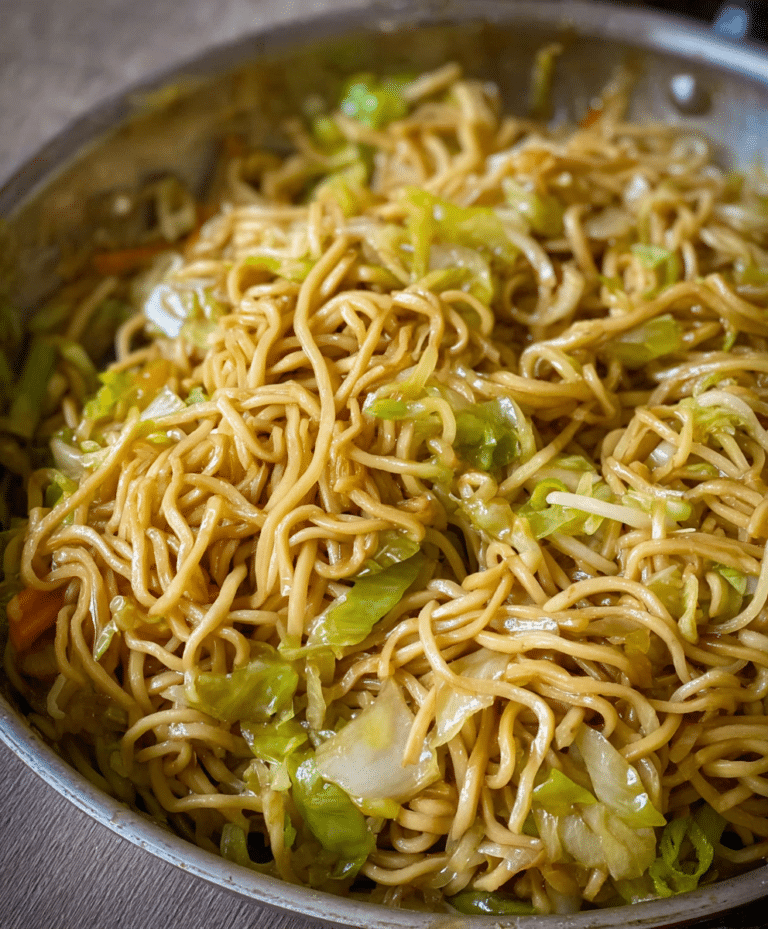
Panda Express Chow Mein Copycat
Tastes just like Panda Express Chow Mein, but takes only minutes to whip up and tastes even better!
- Total Time: 20 minutes
- Yield: 4 servings
Ingredients
- 2 (5.6-ounce) packages refrigerated Yaki-Soba, seasoning sauce packets discarded
- 1/4 cup reduced sodium soy sauce
- 3 cloves garlic, minced
- 1 tablespoon brown sugar, packed
- 2 teaspoons freshly grated ginger
- 1/4 teaspoon white pepper
- 2 tablespoons olive oil
- 1 onion, diced
- 3 ribs celery, sliced diagonally
- 2 cups shredded cabbage
Instructions
- In a large pot of boiling water, add Yaki-Soba until loosened, about 1-2 minutes; drain well.
- In a small bowl, whisk together soy sauce, garlic, brown sugar, ginger, and white pepper; set aside.
- Heat olive oil in a large cast iron skillet over medium-high heat. Add onion and celery, cook until tender, about 3-4 minutes. Stir in cabbage until heated through, about 1 minute.
- Stir in Yaki-Soba and soy sauce mixture until well combined, about 2 minutes. Serve immediately.
Notes
- Yaki-Soba is ramen-style noodles and can be found in the refrigerated aisle of your local grocery store.
- Prep Time: 10 minutes
- Cook Time: 10 minutes
- Category: Main Course
- Method: Stir-Fry
- Cuisine: Asian